
When we talk about health crises, we often picture hospitals, ambulances, and emergency rooms. But many of the forces shaping New Zealand’s health outcomes are far quieter and far more familiar. They live in our daily routines, our environments, and the habits that are easiest to ignore until illness makes them impossible to overlook. Lifestyle and risk factors remain some of the most persistent drivers of poor health in Aotearoa — and they continue to fuel demand on an already stretched system.
Hazardous alcohol use is one of the clearest examples. Alcohol-related harm affects far more than the individual drinking. It contributes to injuries, family violence, mental health crises, chronic liver disease, and cancers, placing a heavy burden on health services and communities alike. Despite widespread awareness, alcohol remains deeply embedded in social norms, and its harms are often minimised or normalised. The result is a steady stream of preventable illness that presents late, costs more to treat, and causes lasting damage to whānau.
Tobacco smoking tells a more complicated story. New Zealand has made real progress, and smoking rates are lower than many OECD countries. This is a public health success worth acknowledging. Yet smoking has not disappeared — it has become concentrated. Māori, Pacific peoples, and those living in areas of high deprivation still experience significantly higher smoking rates and, in turn, higher rates of cardiovascular disease, respiratory illness, and cancer. What once was a universal risk has become a marker of inequality, reinforcing health gaps rather than closing them.
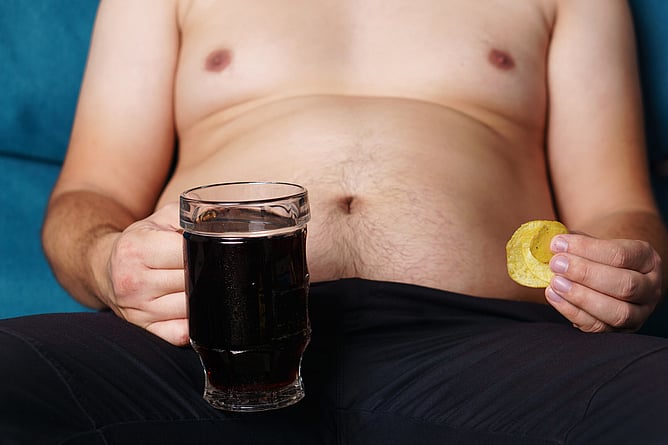
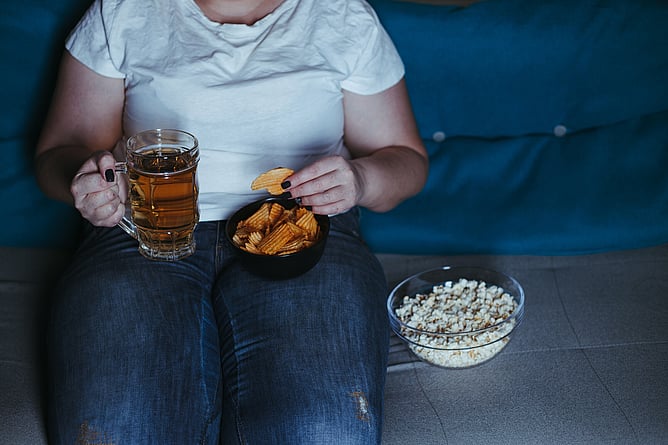
Sedentary lifestyles and obesity sit alongside these risks, quietly driving chronic disease across all age groups. Modern life makes inactivity easy: long work hours, screen-based leisure, car-dependent communities, and limited access to safe, affordable spaces for physical activity. At the same time, unhealthy food is often cheaper, faster, and more heavily marketed than nutritious alternatives. Obesity and high body mass index are not simply about willpower; they reflect environments that make unhealthy choices the default.

These risk factors do not exist in isolation. Alcohol misuse, smoking, inactivity, and poor diet often cluster together, compounding their impact. Over time, they increase the likelihood of diabetes, heart disease, stroke, respiratory illness, and some cancers — conditions that dominate GP visits, hospital admissions, and long-term medication use. Treating the downstream effects is expensive and exhausting, but failing to address the upstream causes is even more costly.
The uncomfortable truth is that lifestyle risk factors cannot be “fixed” solely in the consultation room. Advice helps, but it is not enough. Real change requires policies that support healthier choices: fair alcohol regulation, smoke-free environments, urban design that encourages movement, and food systems that prioritise health over profit. It also requires honest conversations that avoid blame and recognise the social pressures people live with every day.
If New Zealand wants a healthier future, we must stop treating lifestyle risks as personal shortcomings and start seeing them as collective challenges. The choices we make as a society will determine whether preventable disease continues to define our health system — or whether we finally begin to turn the tide.
Here at Levin Family Health, we believe that lasting change comes from a combination of innovation, clear communication, and steadfast commitment. These are not abstract ideals; they are practical tools that can influence healthier choices and better outcomes, not only for individual patients but for entire communities. Whether through new ways of delivering care, stronger relationships built on trust, or simply the consistency of showing up and following through, progress is possible even in a constrained system.
But health improvement also requires an awakening within us. Clinicians, patients, and whānau alike must-see health as something that is actively shaped, not passively received. Growth can come from established practices, emerging ideas, or bold new approaches — what matters is the willingness to engage, adapt, and keep moving forward. When people feel supported rather than judged, informed rather than overwhelmed, healthier change becomes achievable. In the face of entrenched lifestyle risks, that shared commitment may be one of the most powerful tools we have.

